
Exterior Protection That Handles Hill Country Weather
Siding Installation & Replacement in Harper for aging materials, storm damage, and remodeling projects
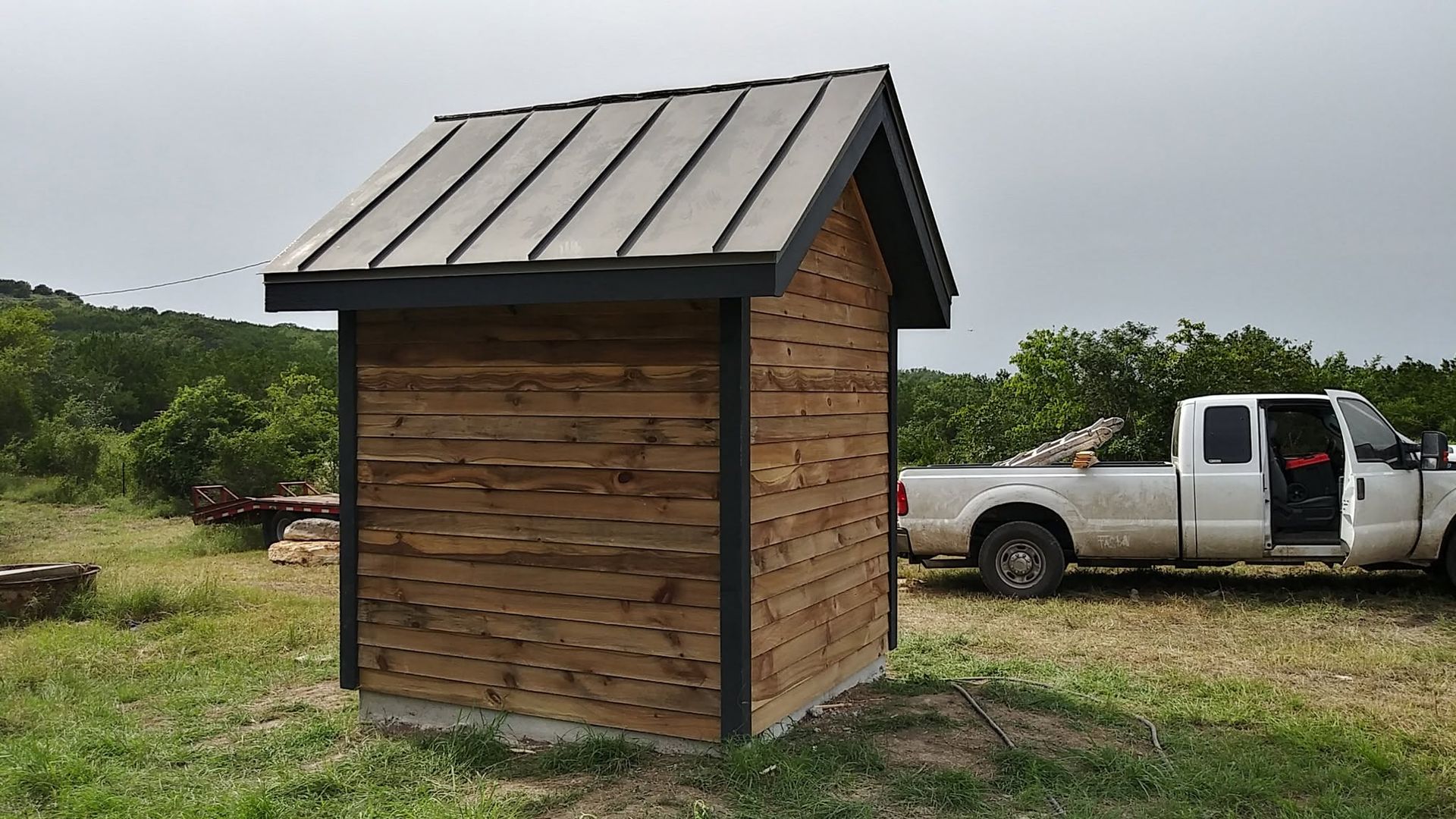
Cedar siding fades and splits after years of direct sun exposure, fiber cement panels crack where fasteners weren't placed correctly, and vinyl warps when temperatures climb past manufacturer tolerances during Hill Country summers. A Carpenter's Services installs and replaces siding on homes throughout Harper, working on new construction exteriors, remodeling projects that change rooflines or window placements, and repairs after hail or wind damage compromises the building envelope. Proper installation includes flashing around openings, starter strips that align the first course, and fastener placement that allows for material expansion without buckling.
Siding replacement involves removing damaged or aged materials, inspecting sheathing and moisture barriers underneath, and addressing any water intrusion or insect damage before new siding is installed. Installation includes careful attention around trim, windows, and doors so that joints seal correctly and water drains away from vulnerable transitions. Each project uses materials and techniques suited to the home's architectural style and the property's exposure to weather.
Request an exterior evaluation to identify siding damage and review replacement options that match your home's design.
Why Correct Installation Works for Long-Term Durability
Siding functions as the first defense against moisture, wind, and temperature extremes, but only when installed over a properly prepared surface with adequate ventilation behind the material. You'll see house wrap or felt paper applied to sheathing, flashing installed around openings before siding goes up, and fasteners driven at specified intervals without overdriving that compresses the material. Corners, transitions, and trim details receive extra attention because gaps at these points allow water to reach framing.
After installation, exterior walls shed water consistently without streaking or ponding at seams, siding panels remain flat without waves or bulges, and trim integrates cleanly with siding edges. Energy efficiency improves when siding and underlying barriers eliminate air leaks that previously allowed conditioned air to escape. Paint or finish on new siding lasts longer because the material isn't stressed by improper fastening or inadequate expansion gaps.
Replacement projects sometimes reveal underlying issues like rotted sheathing, compromised framing around windows, or missing moisture barriers that were never installed during original construction. These conditions are addressed before new siding is applied so that the exterior assembly performs as designed rather than trapping moisture behind new materials.
What Property Owners Usually Ask
Siding decisions involve balancing appearance, maintenance requirements, and how materials perform in the specific climate conditions found throughout the Hill Country.
What determines whether siding should be replaced or repaired?
Full replacement makes sense when more than thirty percent of the surface shows damage, when underlying moisture barriers have failed, or when existing material no longer meets your aesthetic or performance goals, but localized repairs work for small areas of impact damage or isolated rot.
How does installation technique affect long-term performance?
Fasteners placed in the correct zones allow siding to expand and contract without buckling, flashing installed before siding prevents water intrusion at vulnerable transitions, and proper spacing between panels accommodates seasonal movement without creating gaps.
What happens if moisture barriers underneath are damaged?
A Carpenter's Services inspects sheathing and barriers during removal, replaces compromised sections, and ensures that the building envelope is watertight before new siding is installed so that the exterior assembly functions correctly.
When should siding work be scheduled in Harper?
Fall and spring offer the most predictable weather windows for exterior work, though summer projects are manageable with early start times before afternoon heat affects material handling and installation.
How do you match new siding to existing architectural details?
Siding profiles, trim dimensions, and finish options are selected to complement the home's design rather than introducing materials that clash with existing character or neighborhood context.
Honest recommendations guide siding decisions at A Carpenter's Services, focusing on what the property actually needs rather than promoting unnecessary replacements. Arrange a consultation to review your exterior condition and discuss siding solutions that fit your home and budget.